
Insolvency and Enforcement Proceedings
Financial rehabilitation, debt arrangements, discharge, lifting restrictions, and representation before the Enforcement and Collection Authority.
Insolvency page
A well-drafted will is a gift to the family; proper handling of the estate keeps it united. We accompany families at the most sensitive moments, with professionalism, sensitivity and discretion.
The Succession Law, 5725-1965, determines who inherits when there is no will, but the default in the law is not always what a person would have chosen. A will drafted in accordance with the law, precise and unambiguous, ensures that your wishes are respected and dramatically reduces the risk of disputes between heirs.
When a close relative passes away, we accompany the family through all the proceedings before the Registrar of Inheritance Affairs and the courts: from obtaining an inheritance order or a probate order, through administering and distributing the estate, to representation in disputes and objections.
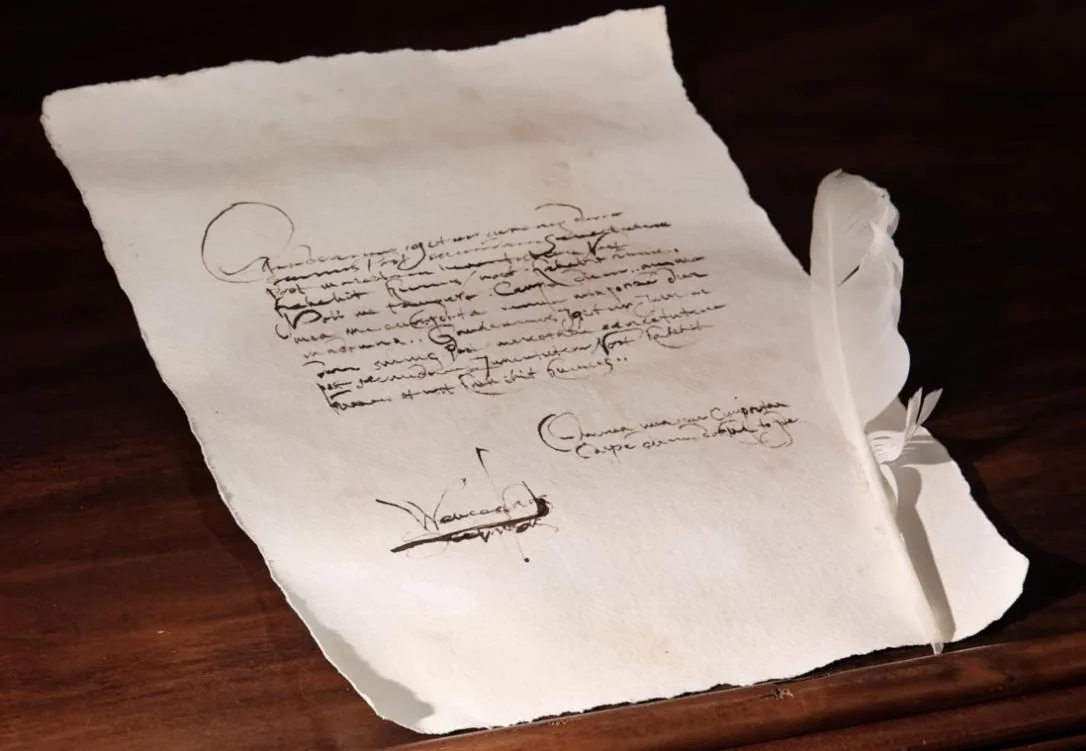
The Succession Law, 5725-1965, recognizes only two tracks for transferring an estate:
Inheritance by law — when a person dies without leaving a will. The law determines who the heirs are and in what shares, regardless of the wishes of the deceased or the relationships within the family. Whoever wishes to exercise their right files an application for an inheritance order.
Inheritance by will — when a valid will exists. Here the wishes of the testator are decisive, subject to the limitations in the law. The procedure is called a probate order.
The difference is substantial: in inheritance by law there is no discretion; the law distributes according to a fixed order of kinship. A person who wanted to give to a grandchild, a common-law partner or a non-profit organization, and did not make a will, will not have their wishes fulfilled in certain circumstances and certain family situations.
The law recognizes four forms, each with its own validity requirements:
Handwritten will — written entirely in the testator's own handwriting, dated and signed by the testator. Simple to make, but also the most vulnerable to objections: claims regarding the identity of the handwriting or the testator's capacity are common.
Will before witnesses — the most common type. In writing, dated, and signed in the presence of two witnesses who declare that the testator stated before them that this is their will. Important to know: a witness to the will or the witness's spouse cannot be a beneficiary under it, and a provision in their favor is void.
Will before an authority — made orally or submitted before a judge, a Registrar of Inheritance Affairs or a notary. The form most resistant to objections, because an authorized official confirms that the will was made.
Oral will — possible only for a person in circumstances that justify it, and its validity is limited in time. A rare exception.
Beyond the division of property, a good will also addresses the identity of the estate administrator; provisions for an asset that cannot be divided, such as the family home; existing debts and loans; the relationship between the will and a prenuptial or cohabitation agreement; and scenarios in which an heir is no longer alive at the time of death.
A point that comes up again and again: a testator may change their will at any time, and a later will prevails over an earlier one. Therefore, orderly safekeeping and documentation of dates are not merely a technical matter.
The law divides the heirs into circles of kinship. The basic rule: the spouse and the children are the first circle. In the absence of children and their descendants, the estate passes to the parents of the deceased and their descendants, and after them to the grandparents.
The spouse has an additional right beyond their share in the estate, including in household movables and the family car, under the conditions set in the law.
Important note: A common-law partner may be entitled to a status similar to a spouse, but this depends on proving the conditions set in the law and is not automatic. This coin has two sides: in some cases, a person claiming common-law partner status seeks to use it to obtain an estate to which they have no right at all. These are the issues where the absence of a will generates the most litigation.
The application is filed with the Registrar of Inheritance Affairs in the area where the deceased lived. With the consent of all parties, it may also be filed with the Rabbinical Court.
A death certificate, the details of all the heirs and the required affidavits are attached to the application. The application is published, on the Registrar's website and in a newspaper, to allow anyone who believes they have been harmed to file an objection. If no objection is filed, and after the position of the Administrator General is received, the order is issued.
An inheritance order is the document that, in practice, makes it possible to transfer registration at the Land Registry (Tabu), release funds from the bank and handle pension rights.
When a will exists, the procedure is similar in structure, but here the original will is submitted to the Registrar, and the order declares it valid. This procedure also includes publication and an objection period.
Important to understand: a will by itself does not transfer property. Without a probate order, the bank and the Land Registry (Tabu) will not act on it.
An objection is filed within the publication period. Common grounds: a claim of a defect in the testator's capacity when the will was made; a claim of undue influence by a close party; a formal defect in the will; the existence of a later will; or a dispute over the identity of the heirs.
Once an objection is filed, the case moves from the Registrar to the Family Court. These proceedings can take time, so in many cases the possibility of an agreed settlement between the heirs is examined first, including through an estate distribution agreement, which allows the heirs to divide the estate among themselves differently from what is set in the order.
An estate is not only assets; it also includes debts. An estate administrator, appointed in the will or by the court, is responsible for locating the assets and debts, paying the debts and distributing the remainder among the heirs.
An issue that tends to be overlooked: an heir who does not wish to inherit, for example because of debts, may renounce their share, in the procedure and within the time set by law.
Checking whether a will exists, mapping the heirs and the assets, and collecting the required documents.
Online filing with the Registrar of Inheritance Affairs, including affidavits and notices to the heirs.
Publication in the Official Gazette and an opportunity to file objections within the period set by law.
Receiving the order, registering the rights and distributing the estate among the heirs.
An inheritance order is issued when the deceased did not leave a will, and it determines the identity of the heirs under the law and their shares. A probate order is issued when a valid will exists, and it gives the will binding effect toward everyone.
Under the Succession Law, the spouse inherits alongside relatives according to a graded order of kinship: first the children of the deceased and their descendants, then the parents of the deceased and their descendants, and finally the grandparents and their descendants. The division of shares depends on the exact family composition.
The law recognizes several forms of will, including a handwritten will. However, wills made without professional support are often invalidated or challenged because of defects in their wording or execution. Legal support ensures validity, clarity and resilience against objections.
The duration of the proceedings depends on the Registrar of Inheritance Affairs, on whether objections are filed and on other factors beyond the office's control, and therefore the office does not give a time estimate. A complete and orderly application prevents delays caused by missing documents.
Financial rehabilitation, debt arrangements, discharge, lifting restrictions, and representation before the Enforcement and Collection Authority.
Insolvency pageSupporting sale and purchase transactions, preliminary due diligence, real estate taxation, lease agreements and drafting commercial contracts.
Contracts and real estate pageOther areas served: the Sharon area, Or Akiva, Pardes Hanna, Netanya and the surrounding area.